
A modern baby diaper is made in a few seconds on one long automatic machine. But a lot of care goes into choosing the materials and checking the result. Here is the whole process in simple steps.
1. The raw materials
A diaper is made from a handful of materials, each delivered in large rolls or bags:
| Material | What it does |
|---|---|
| Non-woven fabric | The soft top sheet that touches the skin, and the cloth-like outer cover |
| Fluff pulp | Soft wood-pulp fibres that soak up liquid quickly |
| Super-absorbent polymer (SAP) | Tiny granules that turn liquid into gel and hold it |
| Breathable film | Stops leaks while letting air through |
| Spandex elastic | Makes the leg cuffs and waistband stretchy |
| Hot-melt glue | Holds the layers together |
| Tapes and frontal tape | Fasten tape diapers and let them re-open |
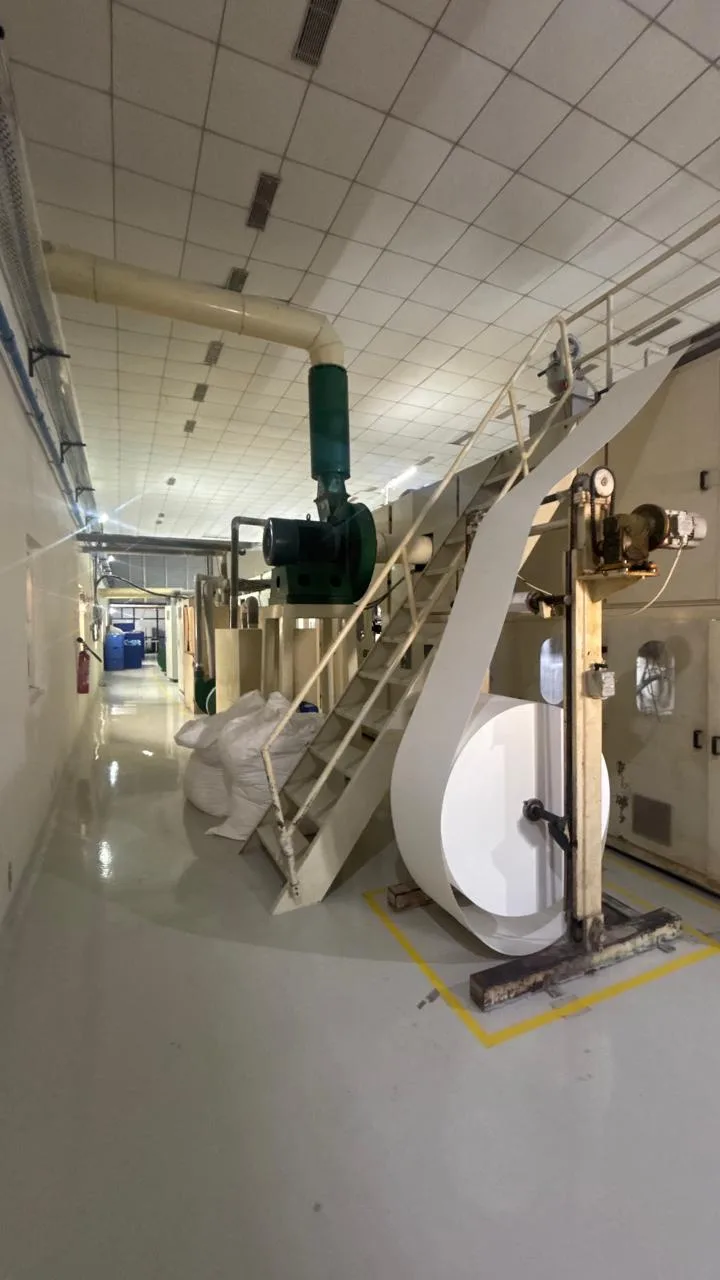
2. Forming the absorbent core
The machine shreds fluff pulp into soft fibres and mixes in SAP granules. This mix is laid into a mould to form the core, the thick middle part of the diaper. The amount of SAP decides how much the diaper can hold.
3. Building the layers
The core is wrapped in tissue, then sandwiched between the soft top sheet and the breathable back sheet. A thin spreading layer goes just under the top sheet so liquid moves away from the skin quickly.
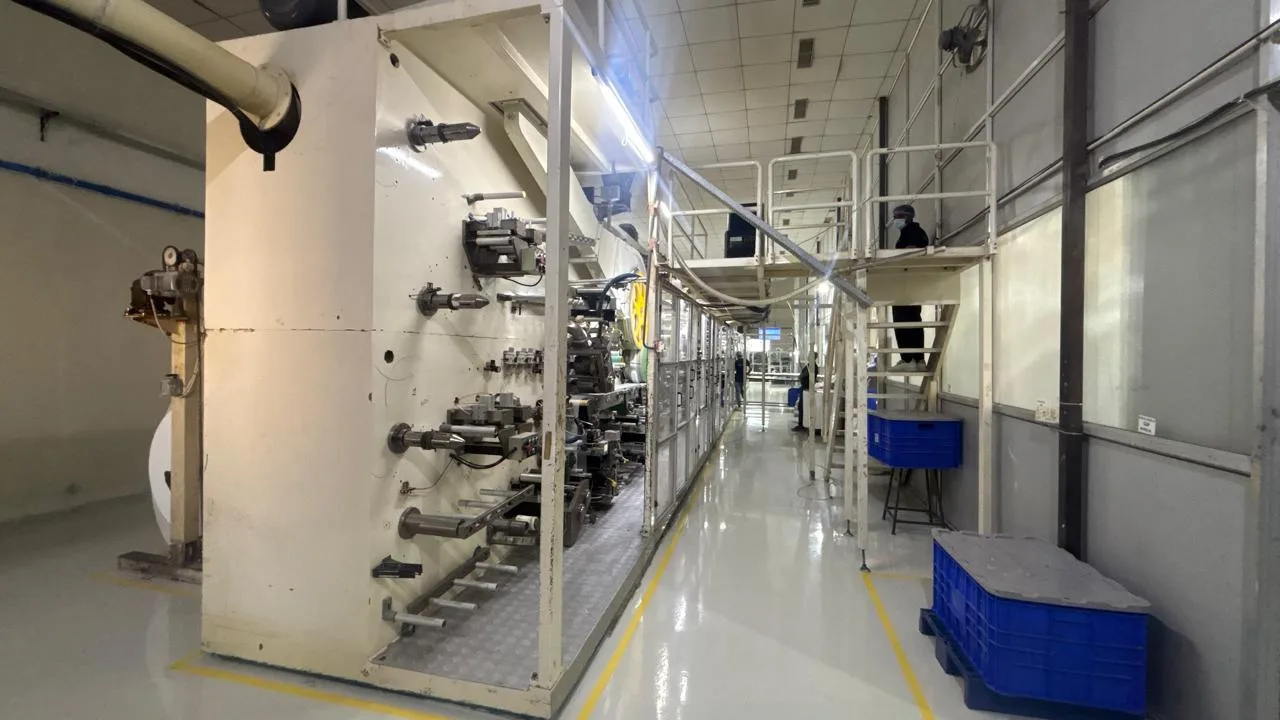
4. Elastic, cuffs and tapes
Stretched elastic threads are glued in at the legs and waist. When the diaper is cut, the elastic relaxes and gathers the edges into soft, leak-proof cuffs. Tape diapers get their side tapes; pant diapers are folded and side-sealed into a pant shape.
5. Cutting, folding and checking
The long strip is cut into single diapers and folded. Cameras and sensors on the line reject any diaper with a missing layer, a crooked tape or a gap in the core.
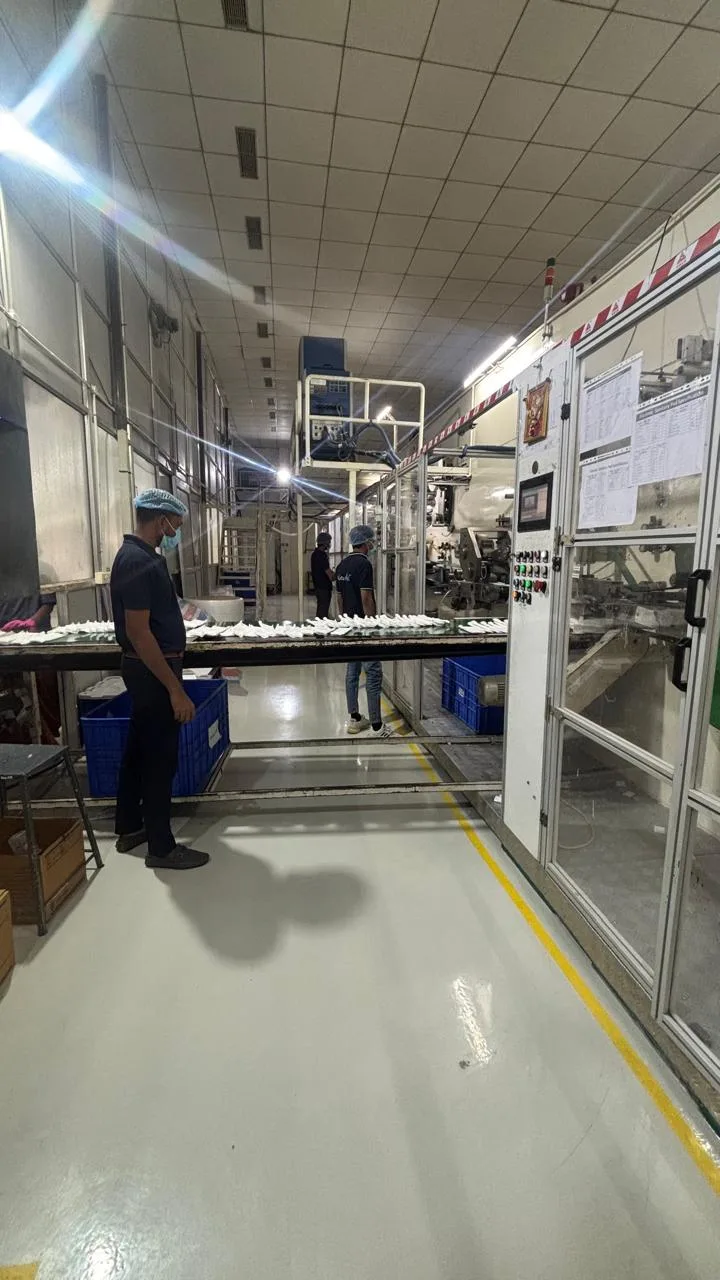
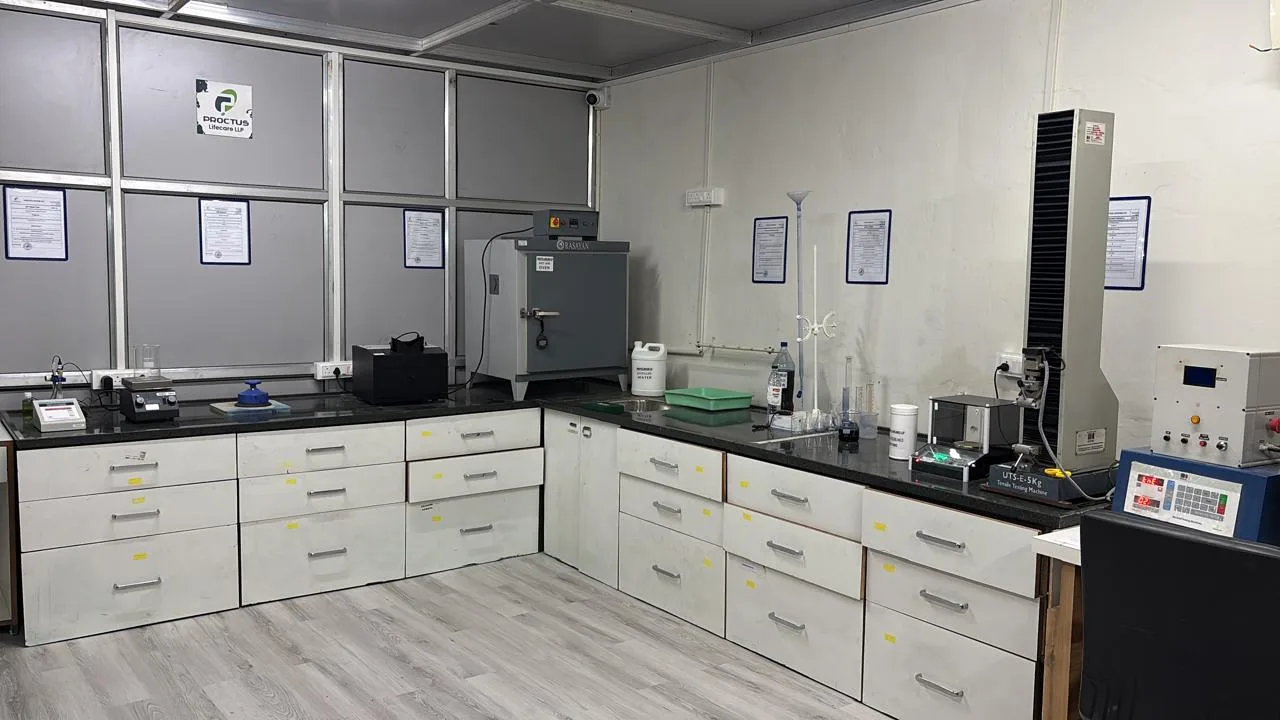
6. Lab testing
Samples from each batch go to the lab. They are tested for absorbency, rewet (how dry the surface stays), how fast they soak up a gush, leakage, and tape and waist strength. See our quality process.
7. Packing
Diapers are counted, compressed and packed into bags, then into cartons with a batch code. For private label orders, the bag carries your brand design.
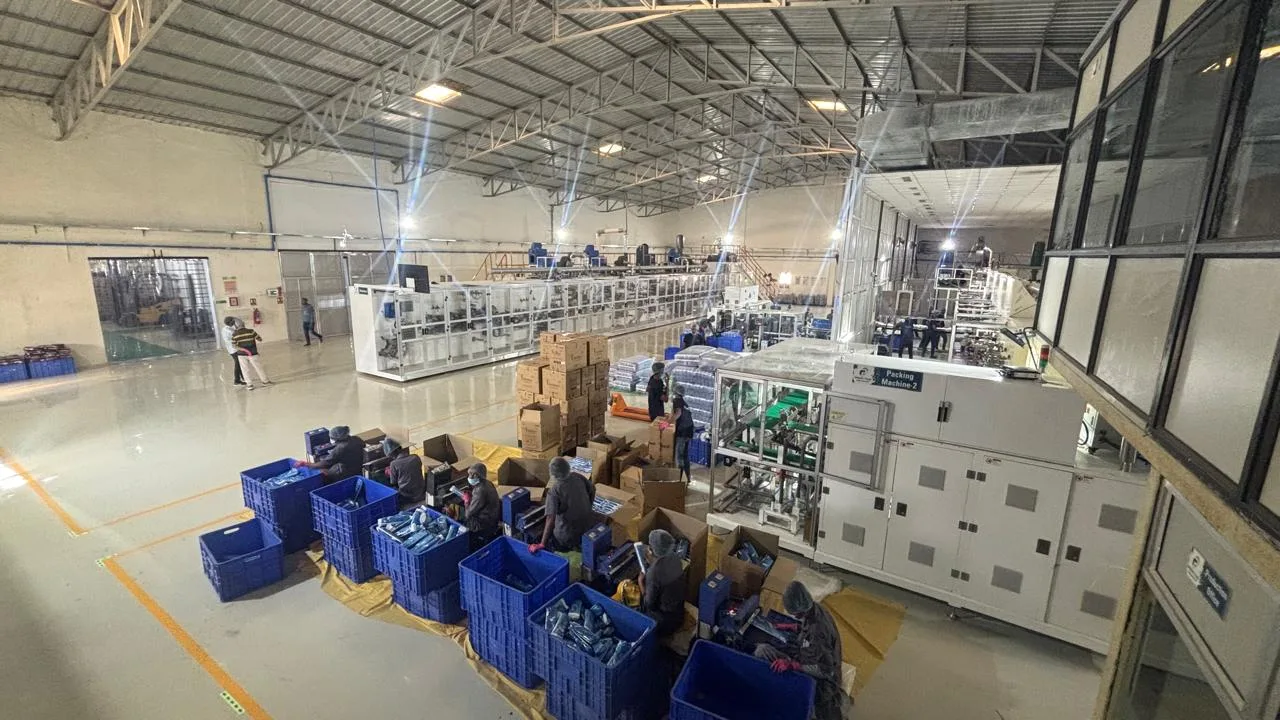
Photos show diaper production at Cushies partner facilities in India.